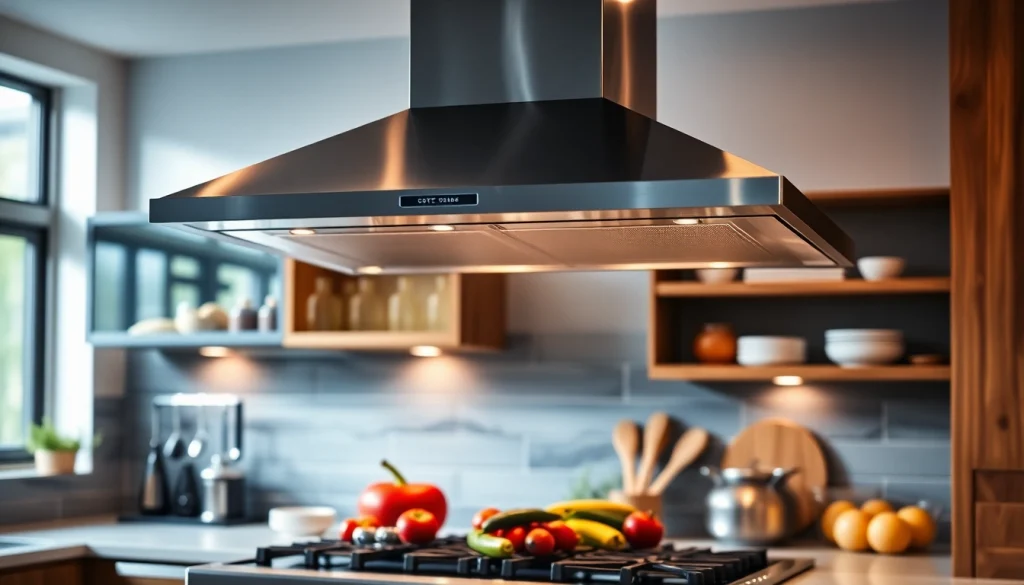

The Importance of a Cooker Hood in Your Kitchen
In any modern kitchen, one appliance stands out not just for its functionality but also for its impact on overall cooking experience: the cooker hood. Though often overlooked, cooker hoods are crucial in maintaining a clean and healthy kitchen environment. They serve as a primary ventilation solution, drawing airborne grease, smoke, heat, and moisture away from the cooking area, which ultimately enhances both air quality and safety.
How Cooker Hoods Improve Air Quality
A cooker hood works by creating airflow that captures unwanted particles generated during cooking processes. By filtering the air, cooker hoods effectively reduce the accumulation of harmful substances in the kitchen. High-quality filtration systems capture airborne grease and other pollutants, making kitchens healthier places for food preparation and consumption. Without adequate ventilation, your kitchen can quickly become a haven for mold and bacteria due to excess moisture.
Benefits of Ducted vs. Ductless Cooker Hoods
When choosing a cooker hood, it’s essential to understand the differences between ducted and ductless systems. Ducted cooker hoods expel stale air and odors outside your home, leading to more effective air quality improvement. They are particularly beneficial for kitchens that generate a lot of steam and smoke since they remove contaminants quickly. However, installation may require significant modifications to existing ductwork.
Conversely, ductless cooker hoods recycle the air back into the kitchen after filtering it through activated charcoal and grease filters. While they are easier to install, they might not provide the same level of air quality improvement as ducted systems. Understanding your cooking habits and kitchen layout is crucial when deciding which type suits your needs best.
Common Myths About Cooker Hoods
Despite their importance, many myths surround the functionality and necessity of cooker hoods. A common misconception is that cooker hoods are only for aesthetic purposes. In reality, they are essential for managing air quality and reducing health risks in the kitchen. Another myth is that installing a ductless hood is sufficient for effective ventilation. In many cases, ducted hoods will provide far superior results, especially in kitchens prone to heavy cooking. Educating yourself on these myths can help ensure a more informed decision when selecting a cooker hood for your space.
Types of Cooker Hoods Available
The world of cooker hoods is diverse, offering various types tailored to specific kitchen designs and user needs. Understanding these categories will assist you in selecting the right one for your kitchen.
Wall-Mounted Cooker Hoods
Wall-mounted cooker hoods are probably the most common type found in kitchens today. Attached to a wall above your cooktop, these hoods are a stylish option that can complement your kitchen design. They typically come in a variety of styles and finishes, making them not just functional but also a design element of your kitchen.
Island Cooker Hoods
If you have an island cooktop, an island cooker hood is a necessity. These hoods are suspended from the ceiling and operate similarly to wall-mounted options but are designed to remove air from all sides due to their central positioning. The design choices for island cooker hoods can add a striking visual impact, ranging from sleek stainless steel to decorative glass.
Under-Cabinet Cooker Hoods
Ideal for kitchens with limited space, under-cabinet hoods are installed underneath kitchen cabinets. These hoods save space while still providing valuable ventilation. They are often easier to install compared to other types, making them a great choice for DIY enthusiasts.
Choosing the Right Size for Your Cooker Hood
Size is a critical factor in selecting the right cooker hood. An improperly sized hood can lead to poor performance and detract from the kitchen’s aesthetic.
Measuring Your Cooking Space
Begin by measuring the width of your cooktop; the hood should be at least as wide as the cooking appliance. Additionally, consider the height from the floor to the ceiling, as this will impact the hood’s installation process. Most experts recommend a distance of 20 to 24 inches between the top of the cooking surface and the bottom of the hood.
Understanding Airflow Needs
Airflow is measured in cubic feet per minute (CFM). The required CFM can vary based on your cooking style, such as high-temperature or deep frying, which may necessitate a hood with higher CFM ratings. Generally, a recommendation is to have a blower that provides 100 CFM for every linear foot of the cooktop. Thus, the size of the range, including the cooking method, will direct you to choose the right airflow capacity for your cooker hood.
Compatibility with Different Cooking Appliances
It is essential to ensure that your cooker hood is compatible with all cooking appliances in your kitchen. For instance, if you’re using a high-output gas range, the hood should have advanced airflow capabilities to handle various cooking scenarios, including steam and smoke produced during cooking. Always consult your appliance documentation for specific recommendations on required airflow.
Installation Tips for Your Cooker Hood
After selecting the right cooker hood, the next step is proper installation, whether you choose to do it yourself or hire a professional. Certain tips can help streamline the process and ensure optimum functionality.
DIY vs. Professional Installation
While DIY installation can save money, it requires a fair amount of know-how regarding electrical work and ventilation. If you are unsure about local building codes, the complexity of installation, or how to handle electrical wiring, hiring a professional may be the better choice. For DIY enthusiasts, detailed instructions are often available in manufacturer manuals, making it feasible as long as safety measures are prioritized.
Essential Tools and Materials Needed
Before starting the installation, gather all the necessary tools and materials. This could include a drill, measuring tape, wire cutters, screws, and brackets for mounting the hood. Safety gear, such as gloves and goggles, is also advisable to ensure protection during both electrical and installation tasks.
Common Installation Mistakes to Avoid
One common mistake in cooker hood installation is not allowing adequate space for ventilation. Ensure there’s a clear path for air to flow without restrictions. Another mistake is underestimating the need for electrical adjustments, which can pose hazards if not properly addressed. Be diligent to follow all manufacturer guidelines closely, as they are tailored to guarantee safe and efficient operation of the equipment.
Maintaining Your Cooker Hood
Once your cooker hood is installed, maintenance becomes key to its ongoing efficiency and functionality. Regular upkeep will not only prolong your hood’s lifespan but also ensure it continues to operate effectively.
Regular Cleaning and Care Tips
Cleaning your cooker hood regularly is critical for maintaining its performance. At a minimum, it is advisable to clean the grease filters every few months, but monthly deep cleans can be beneficial, especially in high-usage homes. Most hoods will have filters that are either washable or need to be replaced periodically. Always check your manufacturer’s guidelines for specific cleaning instructions.
When to Replace Filters
Filter replacement is an essential aspect of cooker hood maintenance. If you notice a decrease in suction power or a lingering odor when cooking, it might be time to replace or clean your filters. Ducted models will need fresh filters based on the materials used; activated charcoal filters should be replaced often depending on the frequency of use, while grease filters should be monitored for grime buildup.
Signs Your Cooker Hood Needs Servicing
Every appliance may experience issues over time. Common signs that your cooker hood needs servicing include strange noises, reduced suction power, or any noticeable leaks. Ignoring these symptoms can lead to more severe problems down the line, so timely attention is essential. If in doubt, consulting a professional is always a safe route.
